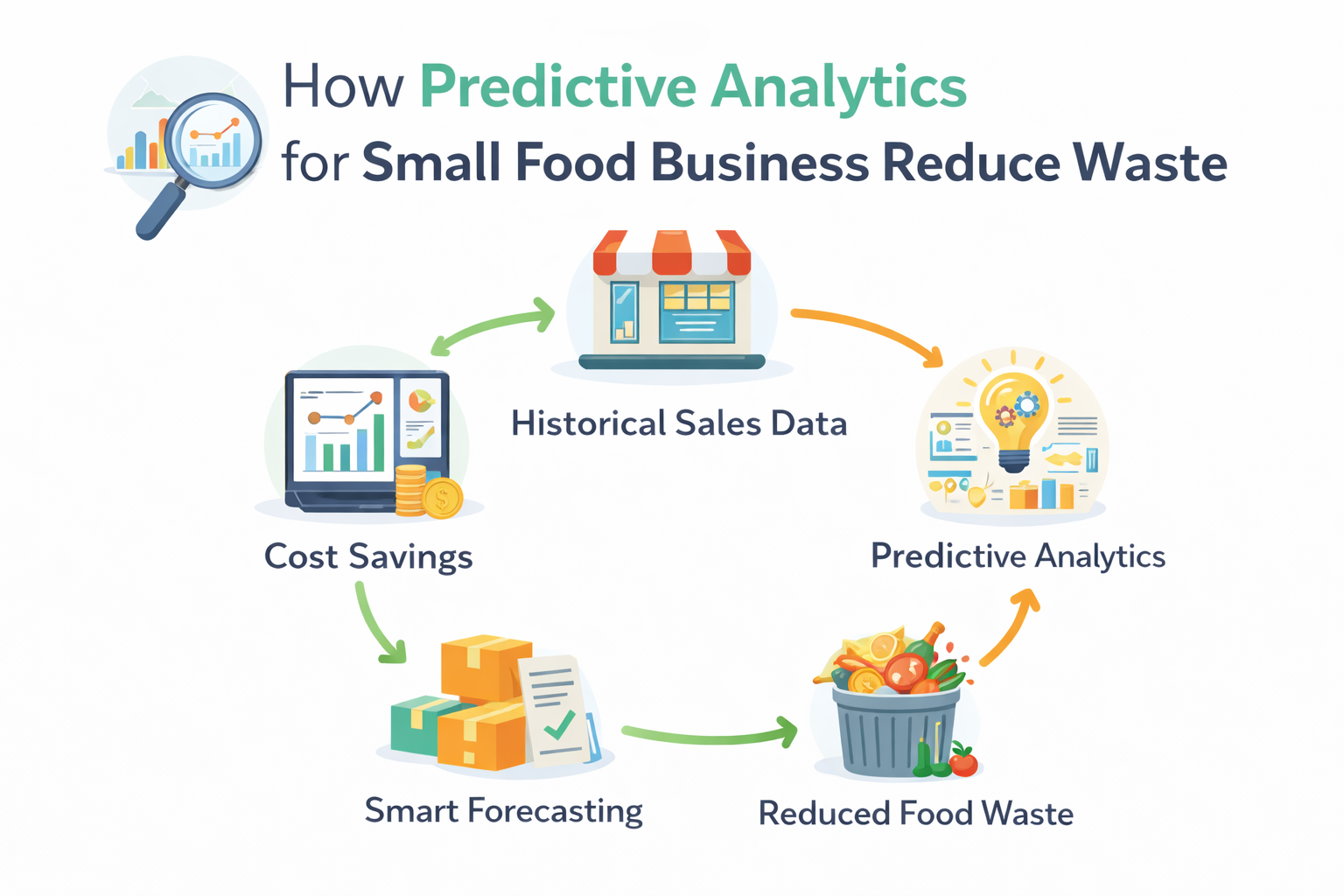
The High Cost of Guessing: Predictive Analytics for Small Food Business
In the food industry, every gram of wasted ingredient is profit down the drain. For small vendors, the margin for error is razor-thin. This is where predictive analytics for small food business owners becomes a game-changer. By moving away from "gut feelings" and toward data-driven forecasting, you can ensure your prep matches your demand perfectly.
What is Predictive Analytics?
Predictive analytics for small food business isn't about magic—it's about math. It involves looking at historical sales data and combining it with external factors to predict future outcomes. For a food cart or small cafe, this means knowing how many tacos or lattes you'll likely sell next Tuesday.
Key Data Points for Accurate Forecasting
3 Ways Predictive Analytics Saves Your Bottom Line
1. Precision Inventory Management
When you use predictive analytics for small food business, you stop over-ordering perishable items. If the data says you only need 10kg of tomatoes for the weekend, you don't buy 15kg "just in case." This reduces spoilage and frees up cash flow.
2. Dynamic Preparation Levels
Preparation (or "prep") is a labor-intensive process. Knowing your peak times allows you to prep in batches that stay fresh. AI can suggest prep schedules that ensure you're never rushing but also never sitting on hours-old food.
3. Smarter Staffing
Predictive tools don't just forecast food; they forecast people. If you know Friday from 12:00 to 2:00 PM will be 20% busier than usual due to a local festival, you can staff accordingly to keep service fast.
Real-World Example: The Sourdough Success
A small bakery used basic predictive analytics for small food business to track their morning rush. They discovered that on rainy mornings, their savory pastry sales dropped, but their coffee-and-cookie sales increased. By adjusting their oven schedule based on the 6:00 AM weather report, they reduced their daily waste by 15% and increased coffee revenue by 8%.
Conclusion
Predictive analytics isn't about replacing the chef—it's about giving the chef the right amount of ingredients to work with. For any small food business, the path to sustainability and higher profit starts with understanding your data.
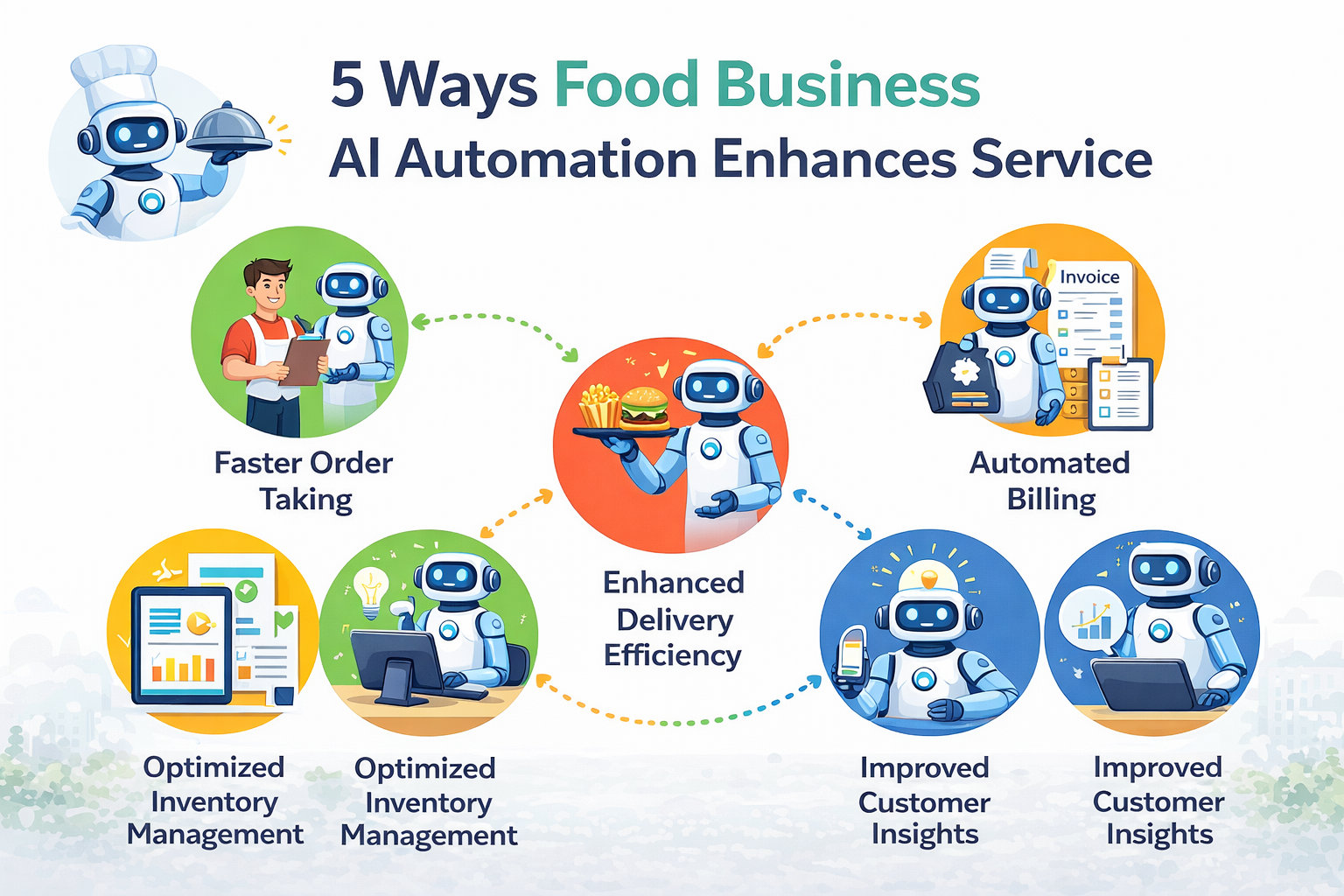
Ready to modernize? Learn more about AI for local food businesses and how automation improves customer service.

Leave a Comment